

Skip to content
Valet.
  • Style
  • Living
  • Health & Fitness
  • Grooming
  • The Obtainer
  • The Handbook
  • Style
  • Living
  • Health & Fitness
  • Grooming
  • The Obtainer
  • The Handbook

Valet. > The Handbook > 31 Days

31 Days
31 Days

Day 6

Take Sodium Seriously

Words by

Valet. Staff

Photography by

ChatGPT/AI

You don’t need a medical degree to know that too much salt can be rough on your body, but you might not realize just how much sodium is hiding in your everyday diet—or how quickly it can affect your performance, appearance and long-term health. But the truth is we love salty foods. From fast food to snacks like chips and popcorn, Americans are among the world’s largest consumers of salt. About 90% of children and adults eat too much of it, and their appetite for it is only growing.
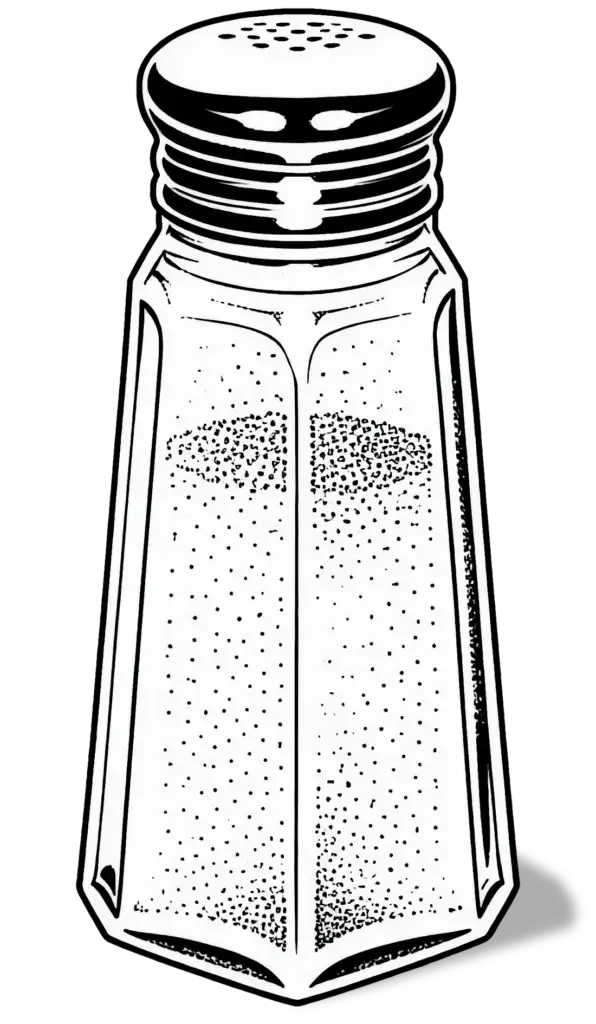
Salt shaker illustrationThe American Heart Association recommends no more than 2,300 mg a day, with an optimal goal of no more than 1,500 mg a day for most adults. However, recent studies have found that Americans consume, on average, over 3,300 milligrams every single day.

So what’s really the problem? Sodium itself is an essential mineral—your nerves, muscles, fluid balance and kidneys rely on it—but too much causes your body to retain water, which increases blood volume and forces your blood vessels and heart to work harder. Over time, this can elevate blood pressure, strain your cardiovascular system and increase the risk of heart attack, stroke and other serious conditions. And it often happens quietly, with no symptoms until the damage has begun.

The good news is: cutting back on sodium isn’t about bland food or deprivation. The AHA’s doctors remind us that more than 70% of the sodium we consume comes from packaged, prepared and restaurant foods—not the salt shaker at home. All you need to do is make smarter choices that will keep your body running sharper and stronger.
Advertisement

Know Your Numbers (and Where Sodium Hides)

“It’s hard for most people to avoid foods that are high in sodium, in part because salt is hidden everywhere and people aren’t always aware of foods that contain high amounts,” said Alison Brown, Ph.D., a program director in the Prevention and Population Science Program at the National Heart, Lung, and Blood Institute. About half of all the sodium we consume comes from deli meats, cheese, sauces, frozen meals and even breakfast cereals and breads (which tend not to taste salty).

Use the Label As Intel

Start by scanning the Nutrition Facts panel and check the sodium per serving—and pay attention to serving size. If you eat two servings, you’re getting two times the listed sodium. Swap salty favorites for lower-sodium alternatives when you can, and back away from mystery seasonings and spice blends that list sodium early in their ingredient list. The fewer surprises you bring home, the easier cutting intake becomes.

Advertisement

Choose Restaurants Intentionally

Dining out doesn’t have to be a sodium landmine. Many restaurants now publish nutrition facts online—use them. When possible, ask for your meal to be prepared without added salt and get sauces, dressings and condiments on the side. These small requests give you more control over how much sodium actually ends up on your plate and in your body. You don’t always have to swap fries for a side salad, but it can be an easy win.

Cook With Flavor, Not Salt

Whenever you cook at home, it will result in healthier food than when eating out, but if you’re looking for ways to boost flavor without adding extra salt, consider these swaps: Fresh herbs, citrus zest, vinegars, garlic and fresh-ground pepper. These ingredients don’t just add flavor, they actually reduce the body’s reliance on salt to make things taste good. Increasing your intake of potassium-rich foods (like leafy greens, beans and bananas) also helps balance sodium’s effects on blood pressure.

Advertisement

Cutting sodium shouldn’t feel like punishment. Think bigger picture: focus your meals on whole foods—lean proteins, whole grains, fruits and vegetables—and let sodium reduction follow naturally. You don’t have to hit the optimal 1,500 mg per day overnight to see benefits. Experts says that even reducing your intake by about 1,000 mg a day (the difference between the average American diet and recommended limits) can meaningfully improve blood pressure and reduce cardiovascular risk.

PrevPreviousThe Right Way to Iron Your Pants
NextEvery Man Needs a Financial RunwayNext

Package Terms

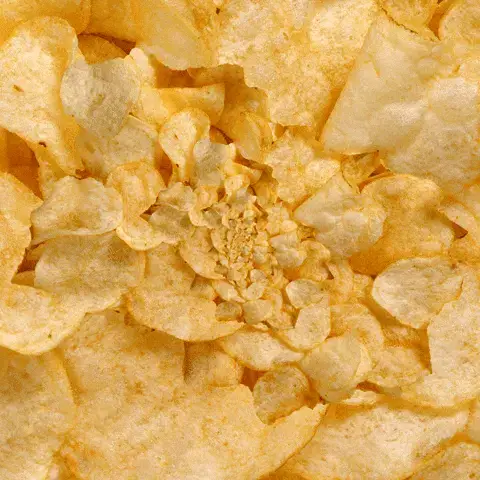
Potato chips

Salt-Free = Less than 5 mg of sodium per serving

Low Sodium = 140 mg or less per serving

Reduced Sodium = At least 25% less sodium per serving than the item’s usual sodium level

Lightly Salted = At least 50% less sodium than the regular product

Unsalted (or No Salt Added) = No salt is introduced during processing, but these products may not be salt/sodium-free unless stated

PrevPreviousThe Right Way to Iron Your Pants
NextEvery Man Needs a Financial RunwayNext
31 Days
31 Days

Volume 18 / Year 2026

Drink Less Without Becoming Boring
The Lost Art of Following Up
Fix Thinning Hair
Balance Working Out With Real Life
The Right Way to Iron Your Pants
Take Sodium Seriously
Every Man Needs a Financial Runway
Why Working Hard Stops Working
The Sunday Reset That Makes Mondays Easier
Take Care of Your Skin After the Gym
A Strong Core Matters More Than a Six-Pack
Stop Buying Clothes for Imaginary Occasions
12345 Run Meetings People Don't Hate
Why You Should Try Dark Showers
Focus on Mobility, Not Just Muscles
Get Out a Grease Stain
Floss for Sexual Health
Invest in Better Shaving Cream
Clear Out the Clutter
Have Fewer Opinions
Organize Your Fridge
Upgrade Your Mouth
Raise Your Standards, Quietly
Get Back on Your Fitness Track
The Lazy Man’s Secret to Better Skin
Dress Better for Travel
The Quiet Power of a Daily Ritual
Eat Protein Earlier in the Day
Fix Your Sleep Before You Fix Anything Else
Don’t Be Cheap, Be Selective
Upgrade Your Toothpaste
Instagram X-twitter Facebook Rss
Valet.

Your concierge to a well-styled life.

Established in 2008

Made in California

  • About Valet.
  • Advertising
  • Contact
  • Employment

Style

  • Products
  • Profiles & Features
  • How Tos

Living

  • Interiors
  • Gear
  • Food & Drink
  • Travel
  • Sex & Relationships
  • Culture
  • Money
  • Career
  • Features

Grooming

  • Skin Care
  • Hair Care
  • Shaving
  • Fragrances
  • Profiles & Features
  • How Tos
  • My Morning Routine

Health & Fitness

  • Diet & Nutrition
  • Fitness
  • Strength Training
  • Features
  • The Inside Man

The Obtainer

  • Recommendations
  • Sales & Deals

The Handbook

  • Style
  • Grooming
  • Living
  • 31 Days Series
The Obtainer newsletter

Subscribe to Valet.

Smart reads, expert tips, exclusive sale alerts and more. You won’t be disappointed.

© Copyright 2026 Valet Media LLC – All Rights Reserved. | Privacy Policy | Terms & Conditions

Get the best of Valet., direct to your inbox.

Never miss a story (or a sale). Get Valet.’s Sunday digest packed with the smartest style advice, grooming tips, can’t-miss deals and every story worth your time.