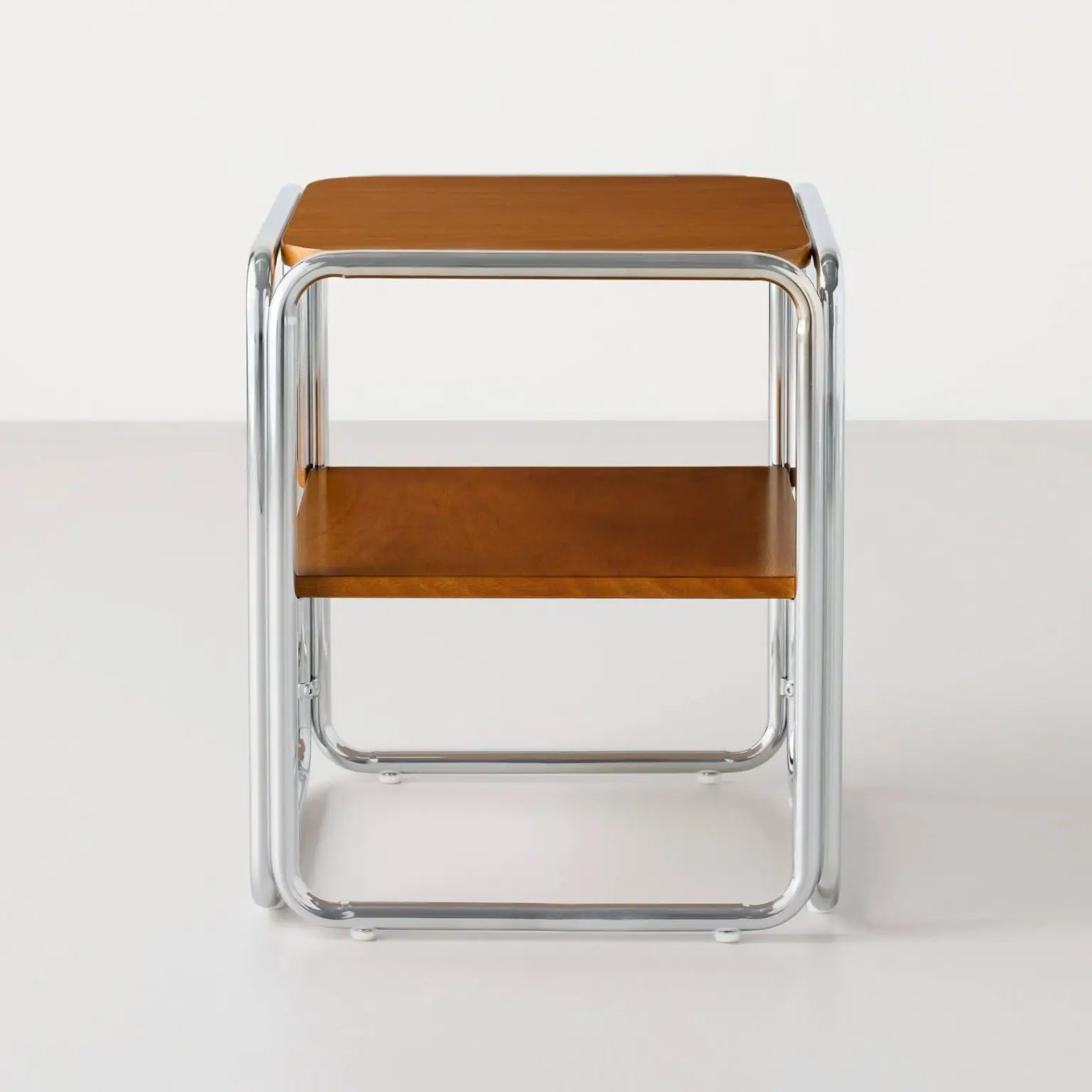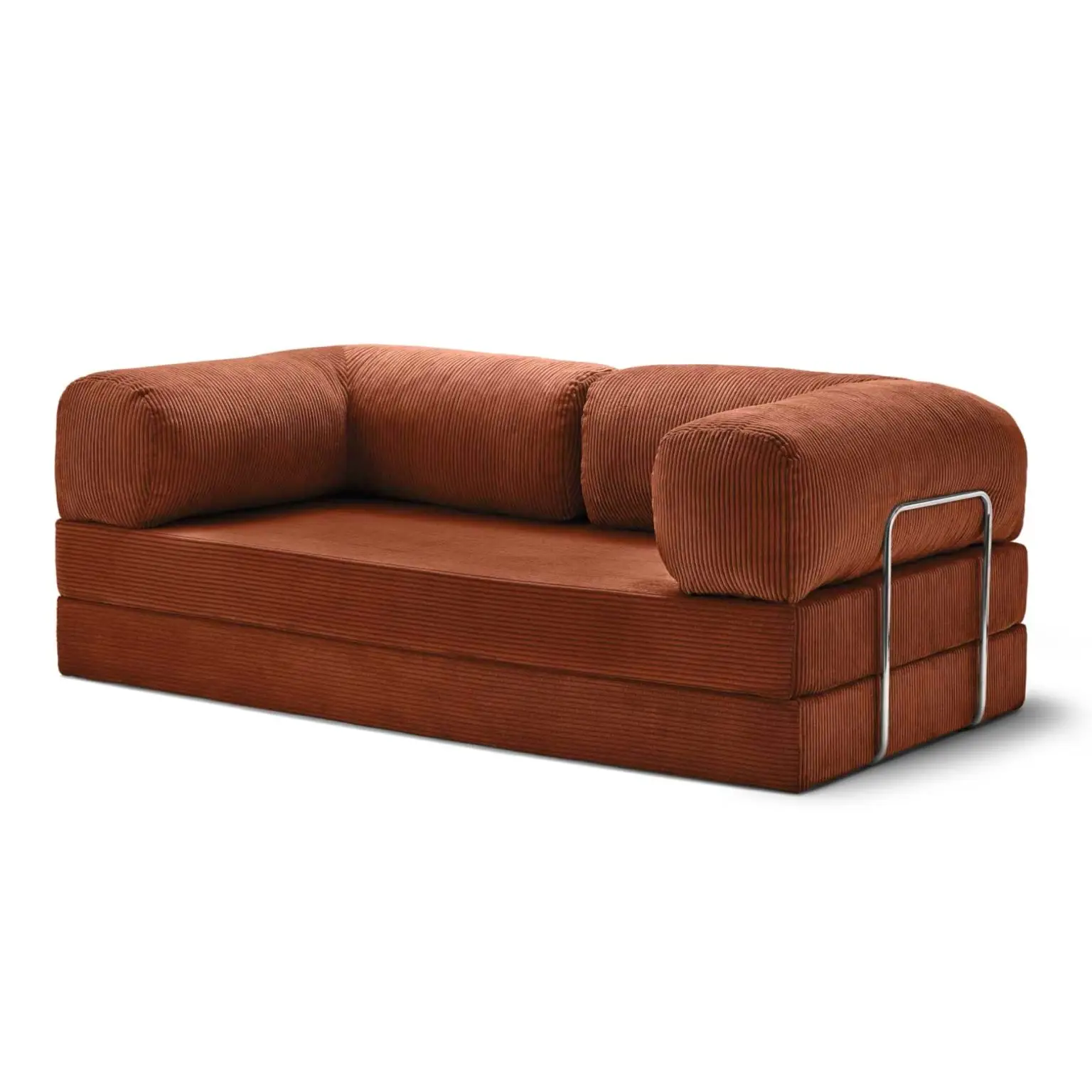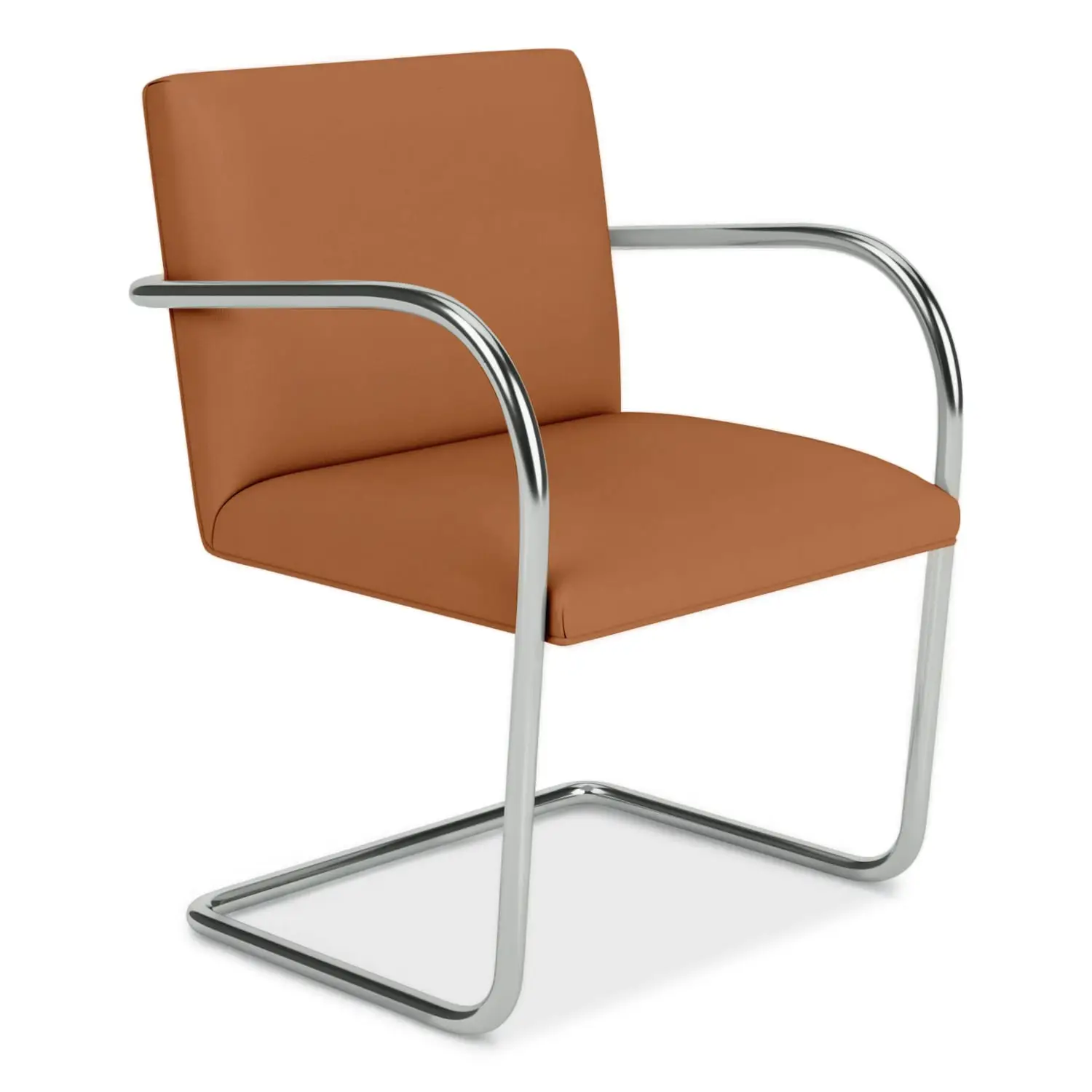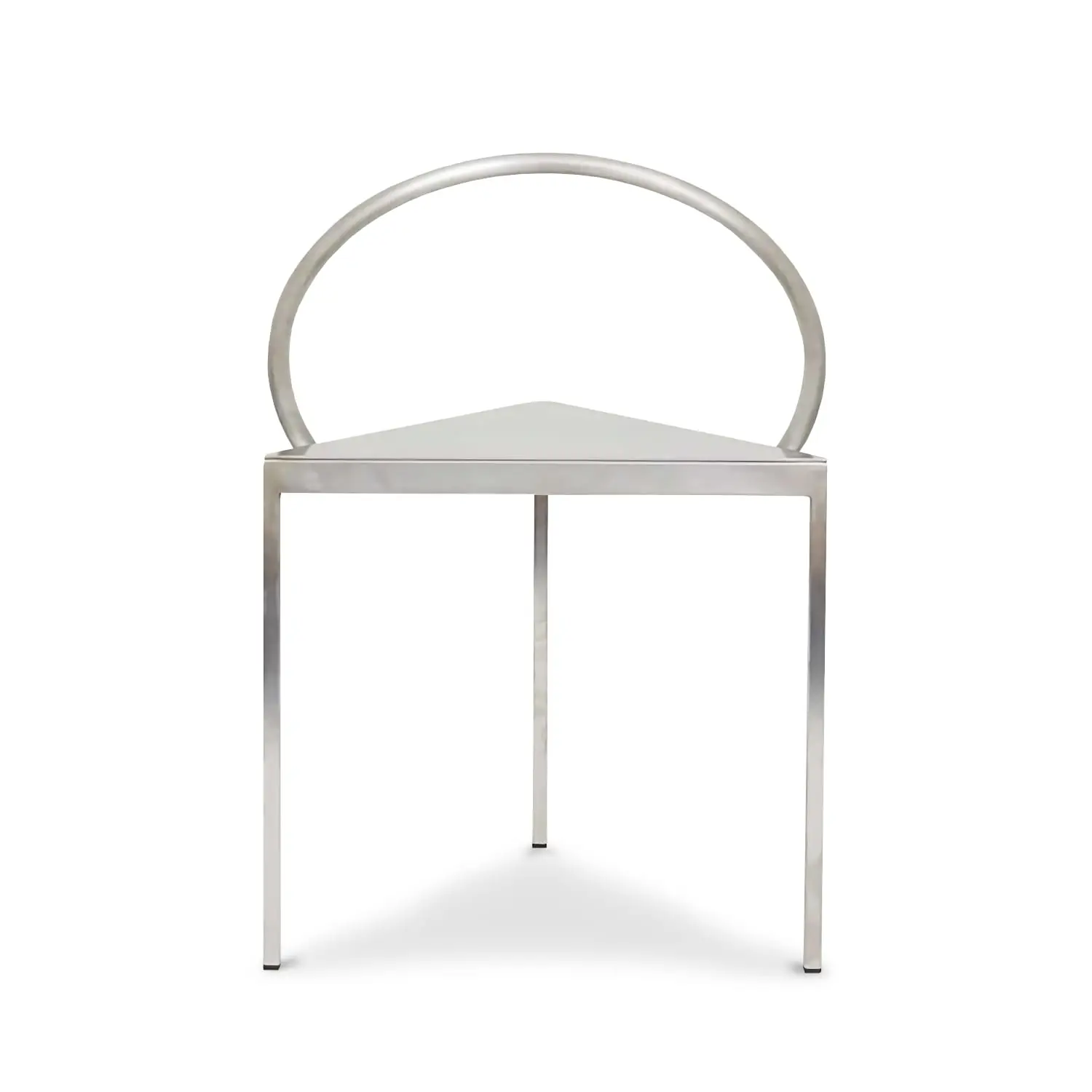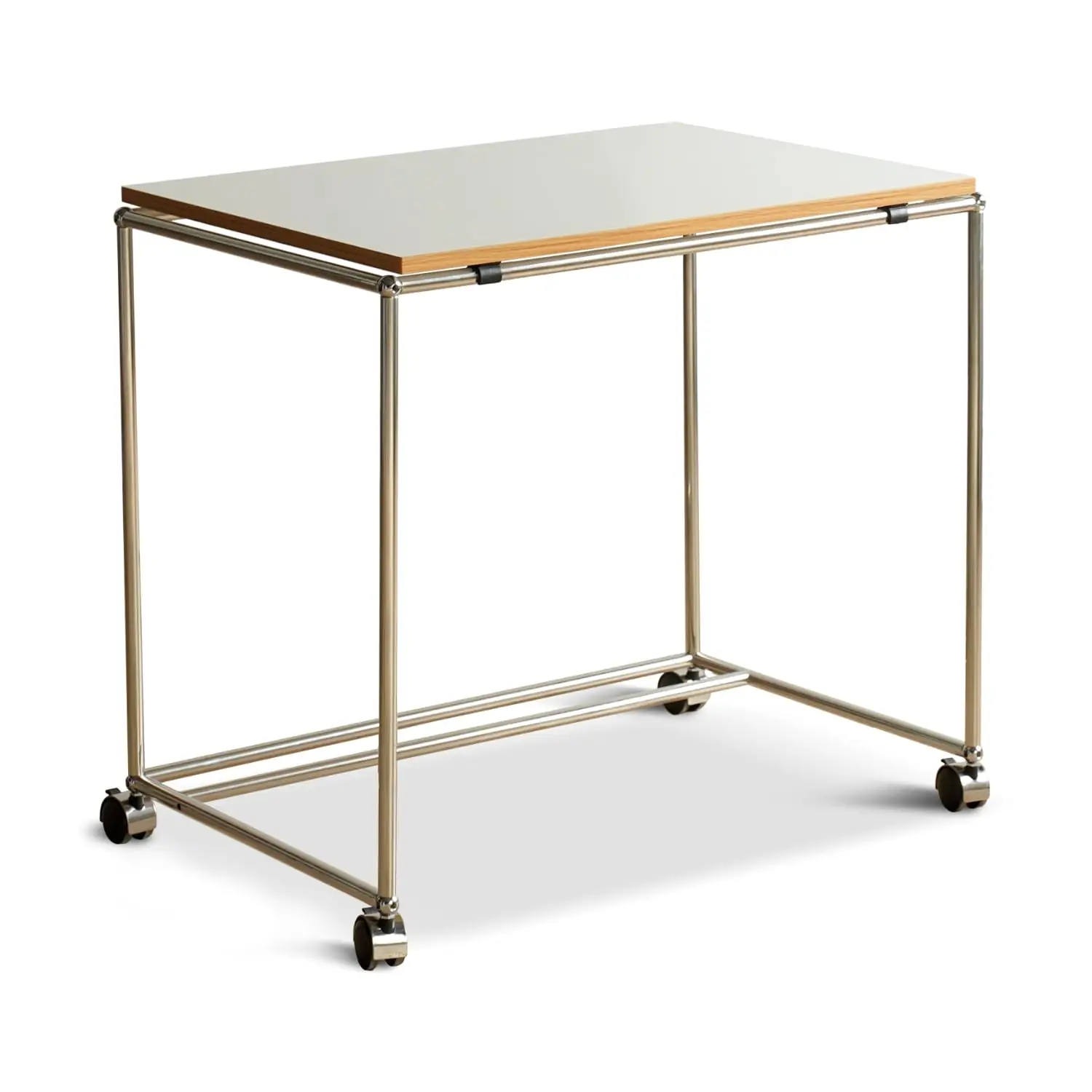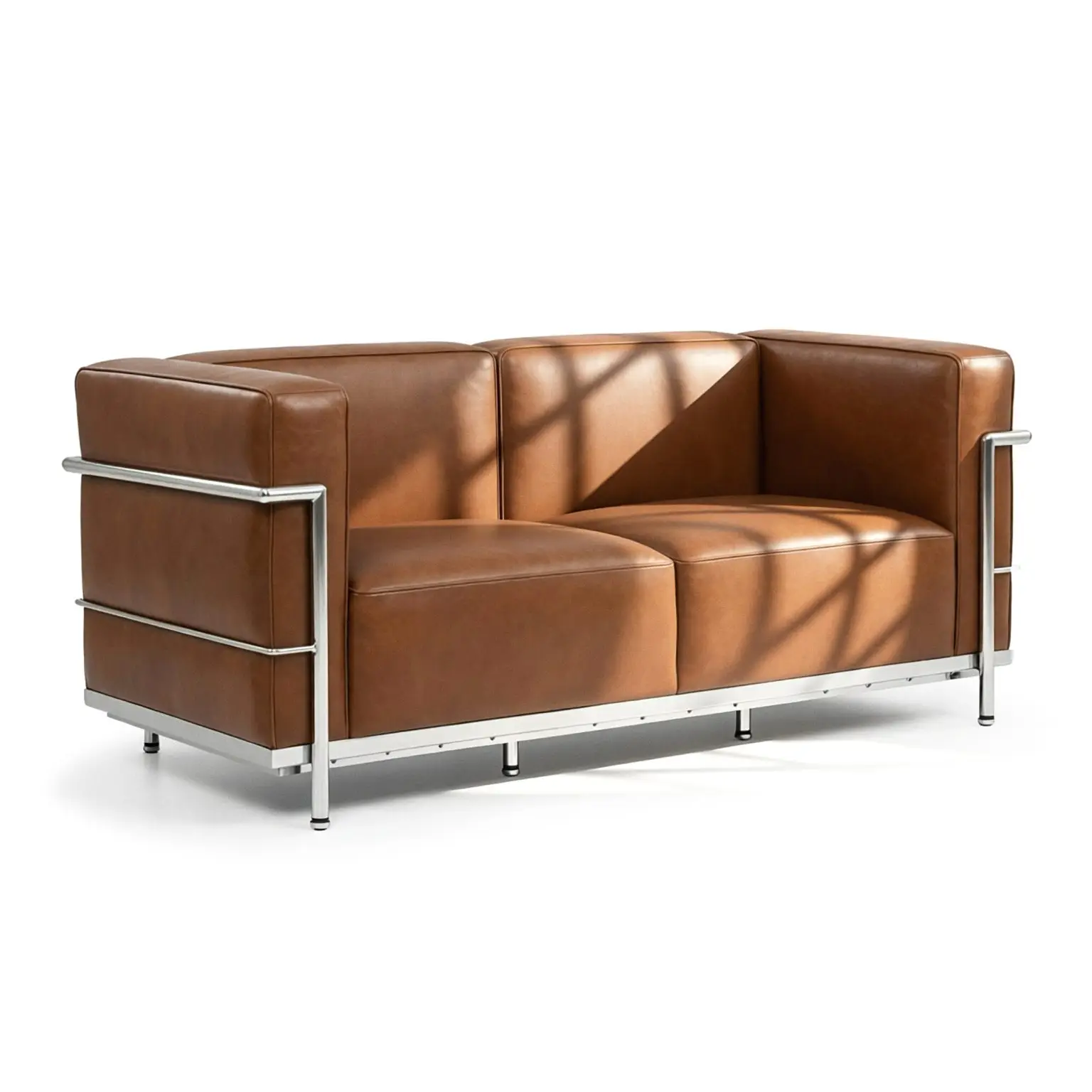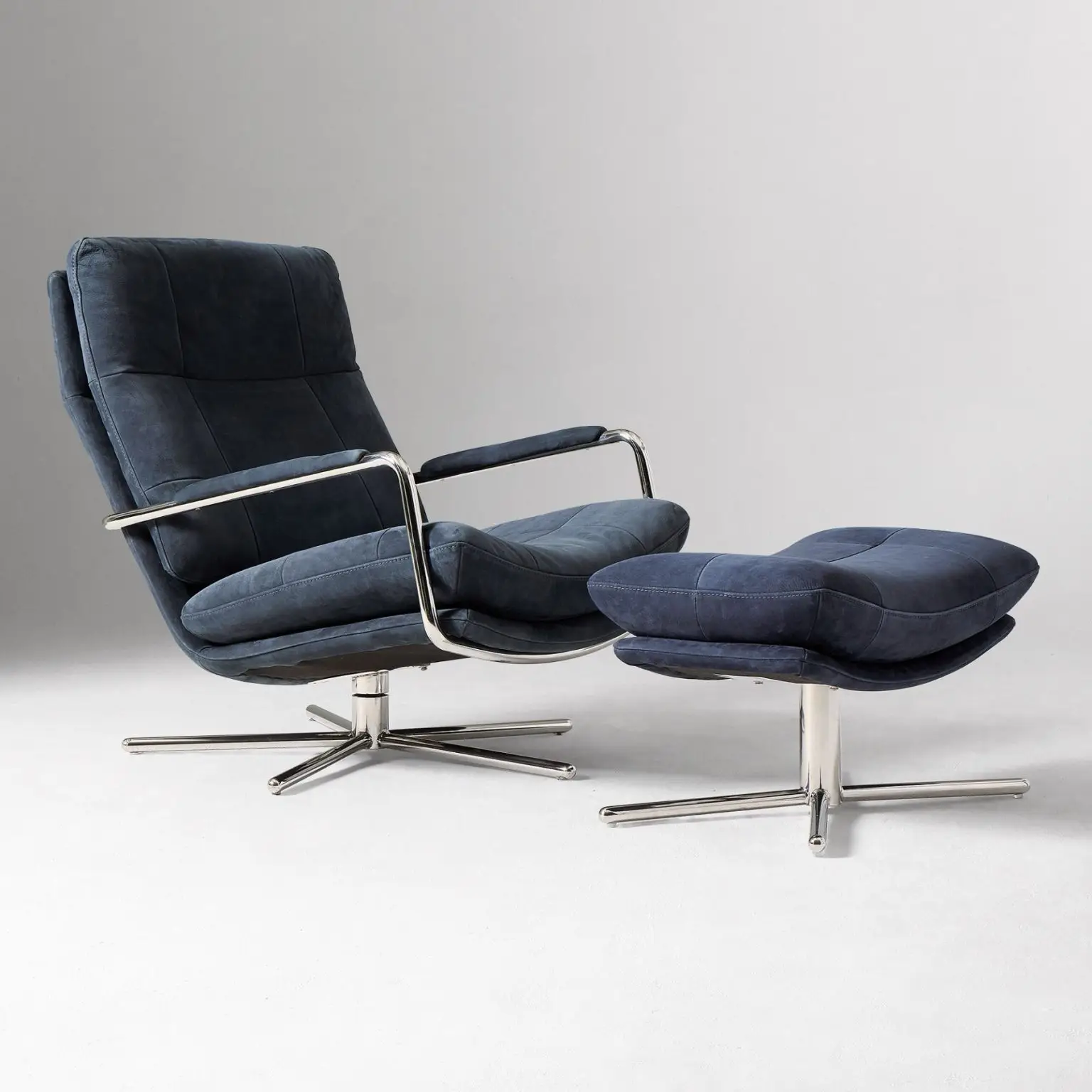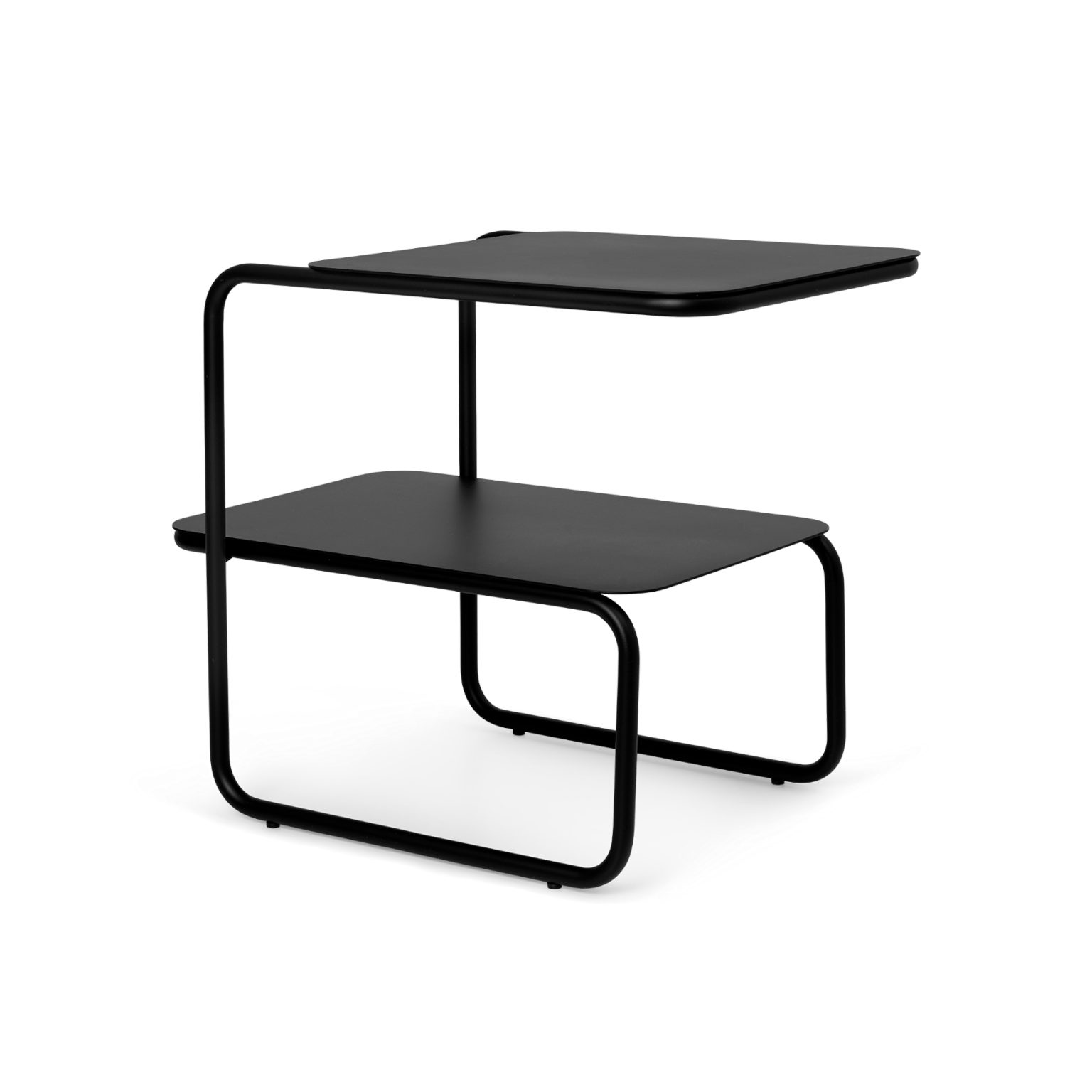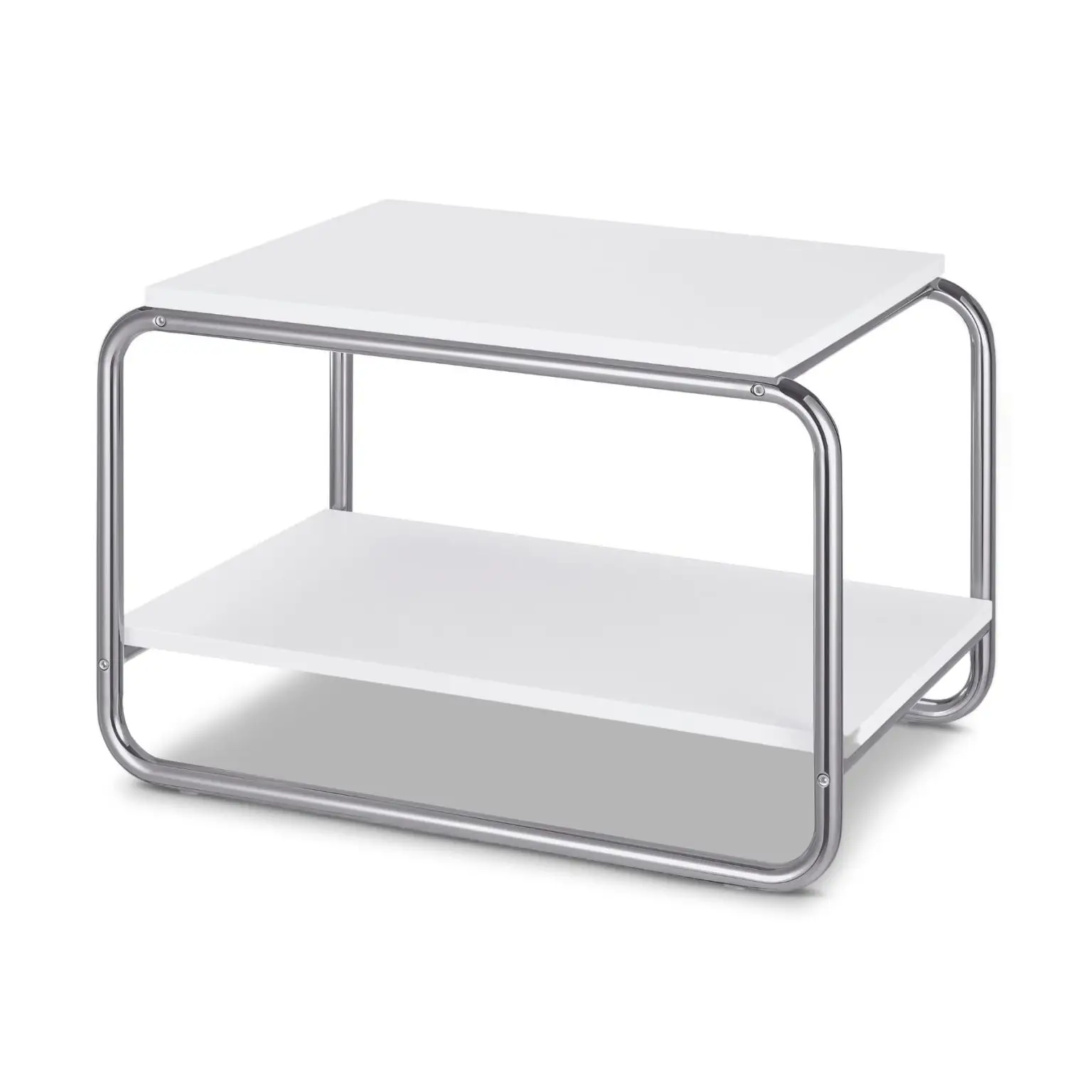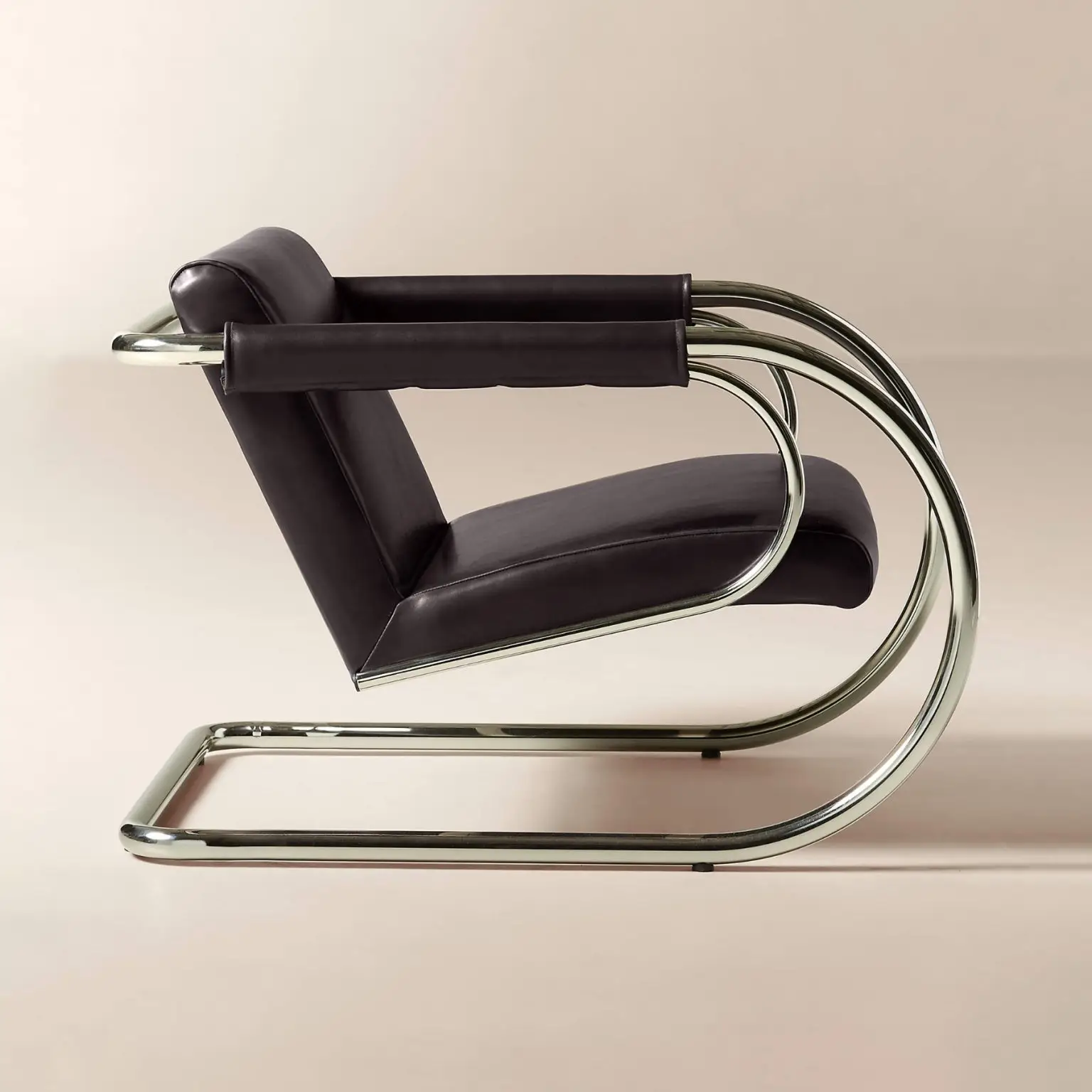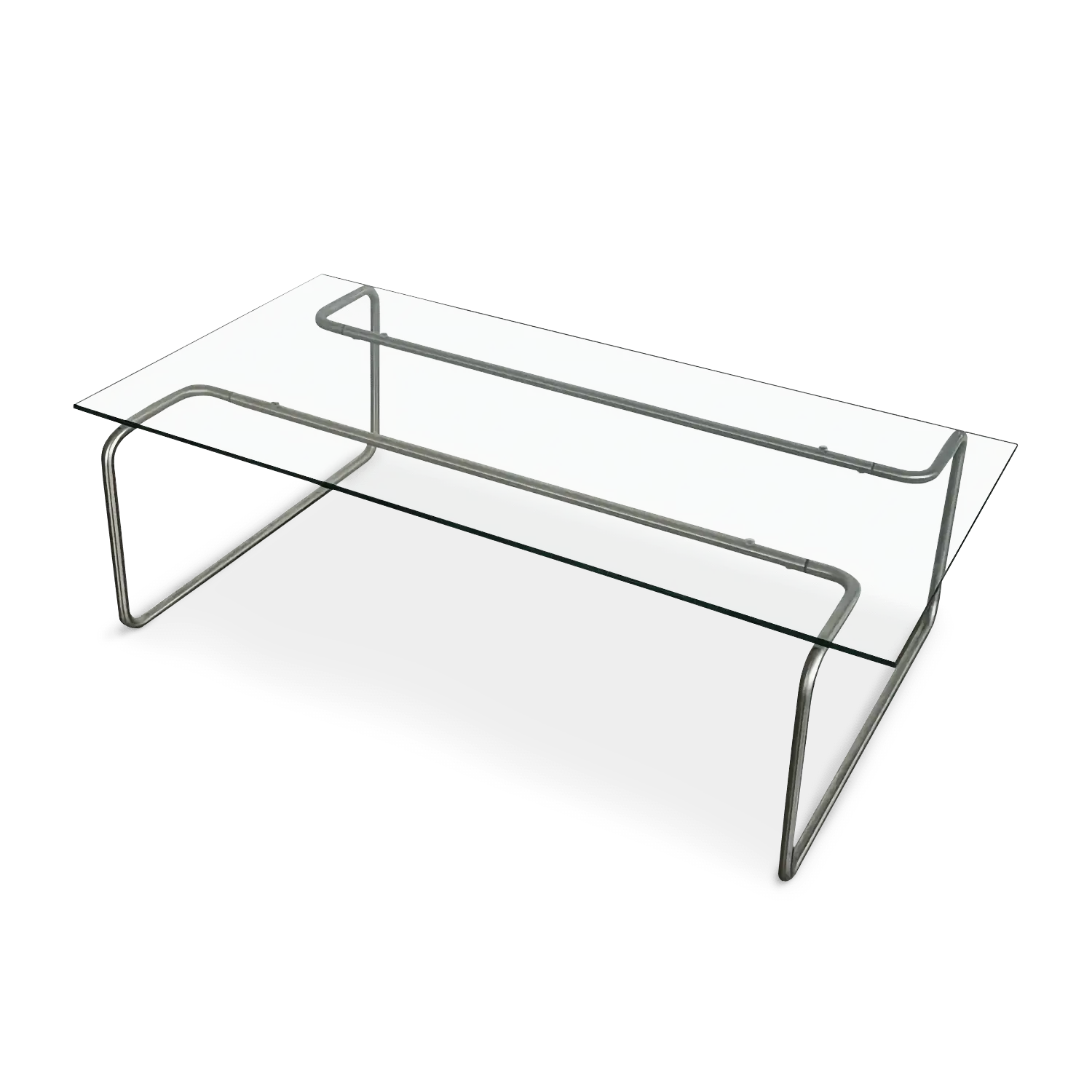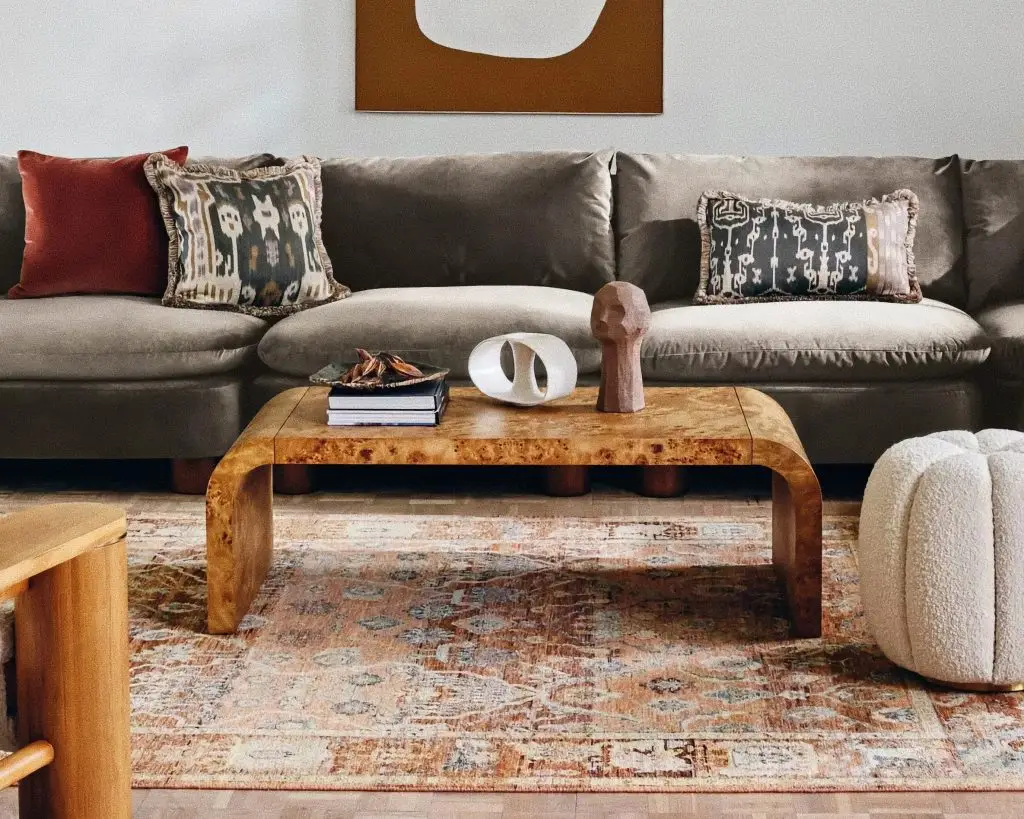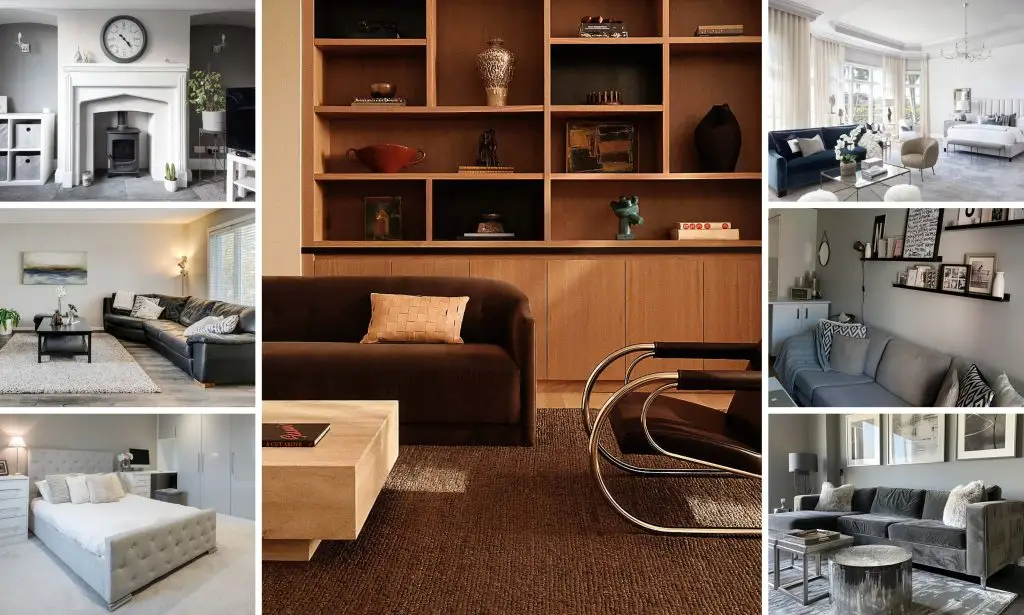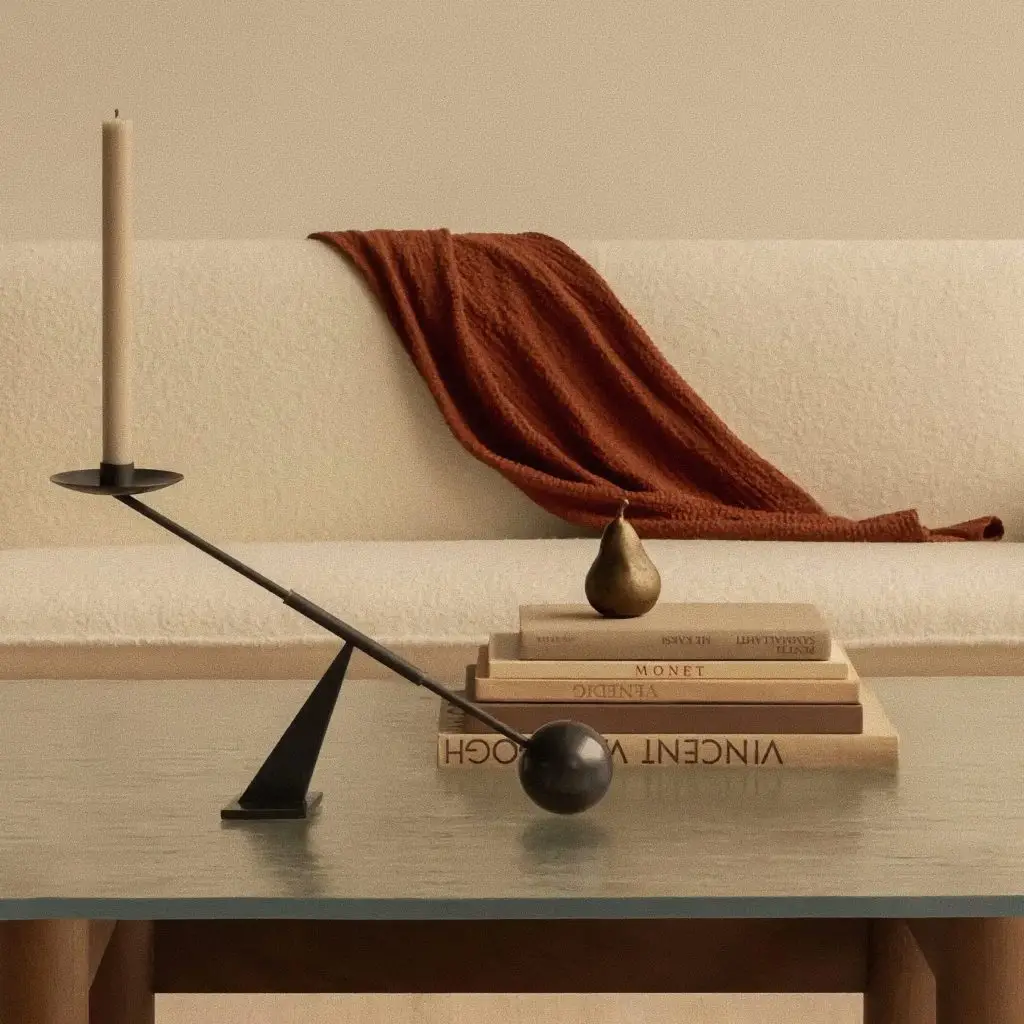
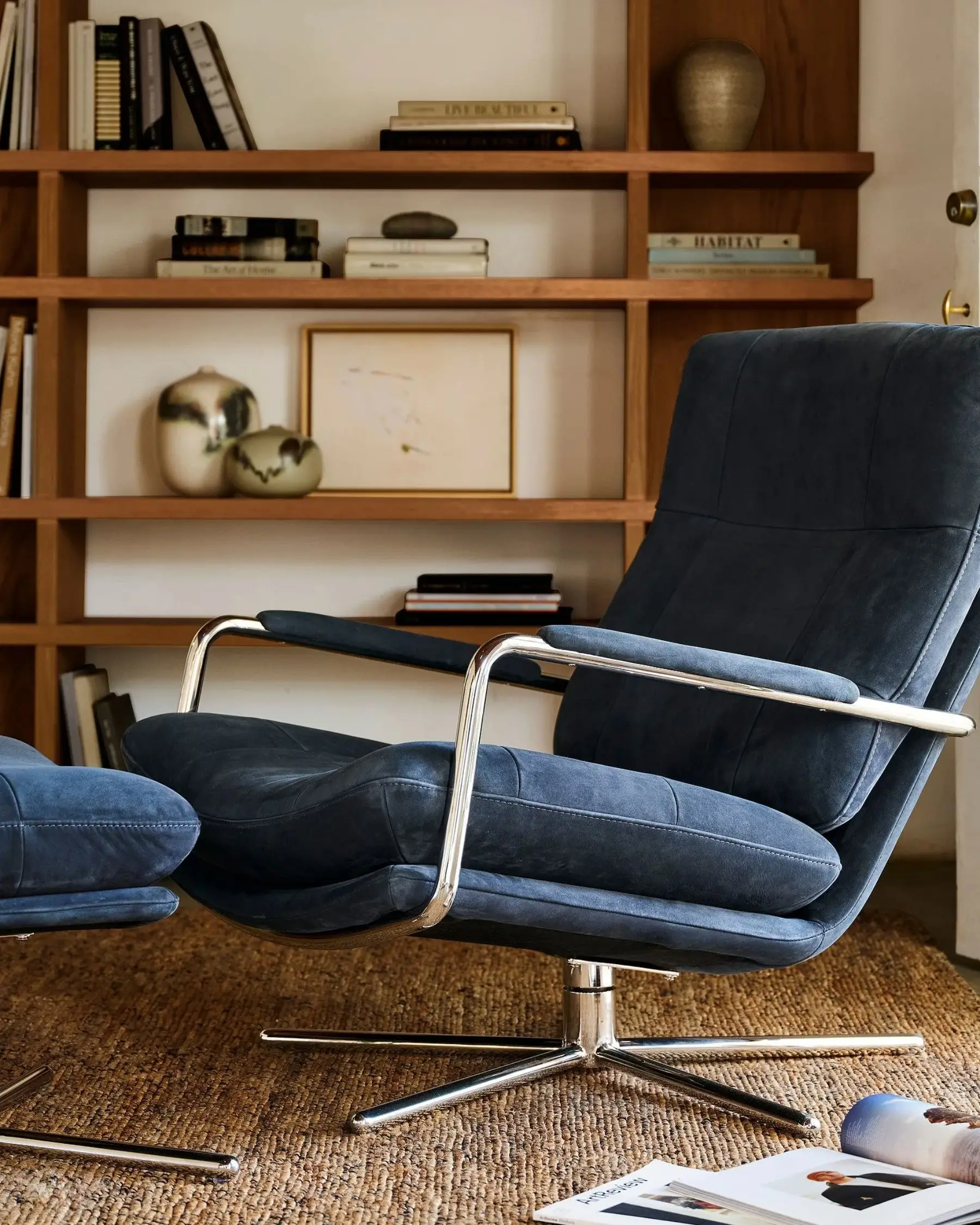
For a while there, interiors got awfully soft. Bouclé sofas, thick rounded coffee tables and bulbous chairs turned our homes cozy and cushy. But lately, something a little sharper, and shinier, has been creeping back into the room. Tubular furniture, with its gleaming metal frames, clean lines and distinctly modernist attitude, is having another moment. But it’s less cold corporate lobby and more badass Bauhaus apartment.
Of course, none of this is particularly new. Tubular steel became a radical new material for furniture in the 1920s, when Bauhaus designers such as Marcel Breuer and Mart Stam began bending the industrial material into remarkably light, airy chairs and tables. Breuer famously experimented with the material around the time the Bauhaus moved to Dessau in 1925, eventually creating pieces whose continuous steel frames seemed to almost disappear within a room. It was furniture stripped down to its essentials—functional, architectural and surprisingly elegant.
A century later, that same tension is what makes tubular furniture feel fresh again. Chrome and stainless steel bring a cool, graphic edge to warmer materials like wood, leather and upholstery, while the open framework keeps even substantial pieces from feeling heavy. And you don’t need to turn your place into a Bauhaus museum to make it work. One tubular lounge chair, side table or stool is often enough. Consider it a little shot of industrial modernism. Something sleek and architectural to toughen up an otherwise comfortable room.